GREENHILL ACADEMY
WEEK TWO
VEHICLE REPAIR
Vocabulary
Engine driving mirror
tyre boot
steering wheel seat belt
windscreen wiper
head lamp indicators
spokes chain
mud guard saddle
reflector brakes
bell peddle
handle bar carrier
Dialogue (oral work)
Kasaadha repairs Ssali’sbicycle;MK Book Five P.10-11
Ssali: Mr. Kasaadha, can you please repair my bicycle?
Kasaadha: why not? I repair bicycles and even motor vehicles. What is the
matter with your bicycle?
Ssali: It has a flat tyre.
Kasaadha: that could simply be a puncture caused by a sharp nail. How long
have you been using your tube?
Ssali: since I bought this bicycle. About a year ago
Kasaadha: let me take a closer look at the tyre.
Ssali: Please, go ahead.
Kasaadha: This is certainly a puncture.
Please, help me carry that tool box nearer to the bicycle.
QUESTIONS:
- What else can Kasaadha repair apart from bicycles?
- What happened to Ssali’s bicycle?
- How long had Ssali used the tube?
- What is Kasaadha’s job?
- What is a tool box used for?
Passage
Ssenyonga’s Second Hand Vehicle.MK Book Five P.13-14
Ssenyonga was overjoyed when he bought a car. Although it was old, he liked it very much. He knew that there were a number of good mechanics around who could help him repair his car in case it broke down.
One day, Ssenyonga wanted to travel to his home area, Kabwohe. Kabwohe village is about twenty kilometers away from Mbarara town. He did not want to travel alone. He asked his friend, Waboineki, to accompany him. Ssenyonga started the car engine. They drove off. The car picked faster and faster. He started overtaking other cars. Waboineki got worried and reminded Ssenyonga about the dangers of driving at such a high speed. “You should not drive so fast, It is not safe with an old car like this”, said Waboineki. Ssenyonga did not pay attention. Instead he answered, “This is not my first time to drive. May be it is your first time to travel by car”
No sooner had Ssenyonga said this than they started hearing a funny noise from the engine. The car certainly had a mechanical problem. Waboineki looked at his friend and said, “You didn’t pay attention to my advice. “You see what I told you.” Luckily, a breakdown vehicle came from the opposite direction. The driver of the breakdown got out and asked, “What happened to your car?”
Ssenyonga answered, “First, there was a funny noise then the engine just stopped. I do not know what the matter is. “The breakdown towed Ssenyonga’s car to a nearby garage. The mechanic repaired the vehicle and told Ssenyonga that travelling at a high speed, especially in an old car is, is not safe. He advised him to drive more carefully.
QUESTIONS
- Who bought a second hand car?
- Why did he buy a second hand car?
- Where is Ssenyonga’s home village?
- With whom did Ssenyonga travel?
- How far did the two people want to travel?
- Who drove the car?
- What advice did Waboineki give Ssenyonga?
- What is the danger of driving fast?
- Why did the engine produce a funny noise?
10. How was the car taken to the garage?
WEEK THREE
EQUIPMENT USED IN VEHICLE REPAIR
(a)Vocabulary
spare parts
Sand paper tow track lubricant
tester toolbox -grease
saw screw driver exhaust pipe
rubber solution spanner
screw jack file
hammer
pair of pliers
wire
(b)Oral sentence construction using the vocabulary
Dialogue
(d) One day, Tom went to the garage with his mother. Below is a dialogue between Tom and the mechanic at the garage. Read it carefully and answer the questions in full sentences.
Tom: Good morning, sir,
Mechanic: Good morning Tom
Tom: You are a mechanic and you repair vehicles. Do you enjoy your job?
Mechanic: Yes, I enjoy my job because I get a lot of money from it
Tom: But it makes your clothes dirty. Is there a way you can keep yourself clean in the garage?
Mechanic: No, old vehicles have dirty, black oil and grease which make me look dirty all the time in the garage.
Tom: I see! Now, you have many tools like spanners, pliers and hammers. How do you keep them?
Mechanic: I keep all these tools in a tool box after cleaning them.
Tom: By the way, why do old cars cause accidents?
Mechanic: Old cars have a lot of mechanical problems. For example when I repair the engine, the battery may fail to work. And when the battery is put right, the car may need wheel alignment.
Tom: Is it okay to scrap all old cars off the roads especially here in the city?
Mechanic: No, I don’t think so because I will not get vehicles to repair. How else will I earn a living?
Tom: But sir, even new cars have challenges which you can take care of and earn a living.
Mechanic: My dear son, these new cars are not my daily customers. Their problems are minor and may not necessarily need a mechanic.
Tom: But you can create a Washing Bay and a private parking yard with maximum security and there you earn a lot of money.
Mechanic: I think you are an intelligent boy. You have very wonderful ideas. May the Good Lord bless you.
Questions
- What is the dialogue about?
- How many people are taking part in the dialogue?
- Where did the dialogue take place?
- What makes the mechanic’s clothes dirty?
- Why does the mechanic enjoy his job?
- Why do old cars cause accidents according to the mechanic?
- Why doesn’t the mechanic want old cars to be scrapped off the roads in the city?
- What else does Tom want the mechanic to do apart from his usual job?
- Why do you think that Tom is a clever boy?
- With whom did Tom go to the garage?
(d)Read the poem below and answer the questions in full sentences.
Old car, old Van
Why run your wheels in the city,
Producing smoke to pollute the air
Which makes people sick?
What you need is a breakdown
To tow you to the garage
Old car, old van
You make a lot of noise that makes my ears burst
You cause accidents that kill my friends
You create jam when you break down
And no spare tyre you have.
Why do you exist in the city?
Old car, old Van
Arrested every time and towed to police station
Because of your poor mechanical condition
But from the police, you are released as usual,
Because you have people to corrupt and bribe
Please leave us to live!
Old car, old van
The mechanic hates you
For you make him dirty
With your black oil and grease
You give him all the money you make
But remember, he will sell you in scrap.
By Chris Mugabo P.5.Dove
Questions
- What is the poem about?
- Who wrote the poem?
- In what class is the writer?
- How many stanzas has the poem?
- What causes the writer’s ears to burst?
- What is the effect of smoke to people?
- How does an old car cause jam in the city?
- What is the use of a break down?
- Why is the old car released from police?
- Why do you think it is not good to have old cars in the city?
WEEK FOUR
PRINT MEDIA
(a) Vocabulary
cartoons front page crossword
puzzle reporter correspondent
story column classified
news columnist media
announcement journalist newspaper
advertise news letter
articles pullout
back page editor
(b) Oral sentence construction using the vocabulary
(d) Read the Radio Programme below and answer questions in full sentences.
RADIO PROGRAMMEMK Book Five P.62
RADIOSOLO FM 73.3
06:am – 09:00am Ear opener with Adriko and John.
09:00am- 11:00am Out and about Kizito Ken.
11:00am-12:00pm Radio Safari
02:00pm-03:00pm Behind the headlines with Daniel.
05:00pm-06:00pm Talk of the Nation. Lubowa Martin
06:00pm-07:00 Score line by Irene.
07:00pm-Writers club
08:00pm-09:00pm National news by Night Mpora
The mid night caller with peace at 12:00am-02:00am
MANAGER
- What is the notice about?
- Who presents the last programme?
- Which radio aired the programme?
- On which frequency is the above radio found?
- How many programmes does the above radio have?
- Who wrote the programme?
- How long is the second programme?
- At what time is the writers club presented?
- What programme does Lubowa Martin present?
- How many presenters have been talked about?
- Why is it important to have a radio programme?
(e) Read the passage below and answer the questions that follow in full sentences.
WHY NEWSPAPER MK Primary English Pupil’s Book Five P.64-65
Some primary five pupils were wondering why their teacher reads newsletters every morning. They decided to ask her to explain the importance of newspapers. Peter Odio, one of the pupils in primary five, went and asked the teacher “please, teacher, we always see you reading newspapers. Could you tell us why you read newspapers daily?”
The teacher thanked Peter for the good question. She said. “Now, let me tell you something about values of newspapers”. The teacher asked all the pupils if they knew some of the common newspapers in Uganda.
They mentioned The New Vision, The Daily Monitor, Rupiny, Orumuri, The East African, Bukedde, Etop and Observer.
The teacher was glad that some pupils already knew something about newsletters. She said that many people read newspapers, not only in Uganda but the world over. She said that reading newspapers enable people to get information on what is happening in Uganda and other parts of the world. This information is used by the editors to form stories called feature articles. She said that journalist and news reporters also write articles. Journalists usually move to different places in order to find interesting and exciting news items.
Uganda’s newspapers contain different kinds of news, news from districts, regional news, world news, sports news, business and children’s news.The Editor chooses the news items and articles they consider good for newspaper readers. Editors also arrange the articles on each of the pages in the newspapers. Radios, Television and the internet are also sources of news everyday.
QUESTIONS
- What does the teacher do every morning?
- What are some of the newspapers read in Uganda?
- Why do people read newspapers?
- Who writes newspaper articles?
- Where else can we get news?
- What is the work of the editor?
- Write the different kind of news found in Uganda’s newspapers.
- Who is a journalist?
- Which pupils of P.5 asked the teacher to explain the importance of newspapers?
- Why was the teacher glad?
WEEK FIVE
PRINT MEDIA
Vocabulary
Editorial – brochureColumnist – pullout
Editor – media
Journalist – news letter
Column
CLASSFIED ANNOUNCEMENT
THE NEW VISION
MONDAY, MARCH 2, 2014
The family of Mr. and Mrs. J.B Walusimbi
with pleasure invites the company of
Mr. /Mrs. O.M. Obina to the graduation party of their beloved daughter
Alice Walusimbi.
The graduation ceremony will be held at Kampala International University and the reception will be at Uganda Youth Sharing Hall Nsambya.
Your positive response is our pride.
Organizing Chairman Committee
R.S.V.P
0779 300211
QUESTIONS
- On which day was the above announcement made?
- Who wrote the announcement?
- In which newspaper did the announcement appear?
- Who is graduating?
- Where will the graduation ceremony take place?
- Write R.S.V.P in full.
- If I want to know more about the party, which number should I call?
- Who was invited to the above party?
- What is the relationship between O.M. Obina and Alice?
10. Where will the reception be held?
Read the poem below and answer questions that follow in full sentences.
News papers, news papers,
Very early in a cold morning
“A paper, a paper, give me a paper,” people shout.
To the waiting vendors on the street
Stretching their arms from the car to pick you.
Why do people struggle to get you?
Oh! News papers in Uganda!
The New vision, The Monitor, The Observer,
The Red Pepper, name them
Giving people all the information they need
Not only for development but also for leisure
News papers, I will always read you.
For children, you give cartoons
The cartoons that give them laughter
For adults, you give the advertisement
And make them decide on what to do.
Some get jobs while others buy goods
Making everyone smile throughout the day.
News papers, news papers
You help us improve on reading
But some of you are bad
Because you put bad pictures
Pictures of naked people
And that’s why we don’t buy you.
By Michael Hero
Questions
- What is the poem about?
- At what time are news papers sold?
- Who sells news papers on the street?
- Write any two news papers mentioned in the poem?
- What makes children laugh according to the poem?
- How many stanzas has the poem?
- According to the writer, why are some news papers bad?
- Of what importance are the advertisements to adults?
- Who wrote this poem?
- Give a suitable title to this poem.
WEEK SIX
PRINT MEDIA
- Vocabulary
Story brochure
article journalist
newsletter column
pull out puzzle
editorial columnist
Editor media
- Construct sentences using the vocabulary.
- POEM (Oral work) MK book five page 63.
- The notice below appeared in the Monitor News paper of Monday 20th January 2014. Read it and answer the questions that follow in full sentences.
PUBLIC NOTICE
The Ministry of Health (M.O.H) informs all people that there is an outbreak of Hepatitis E in the North Eastern Part of Uganda.
Affected Areas: -Nakapiripirit, Kabong and Moroto.
Spread : – Through drinking contaminated water
Prevention :- Proper disposal of faeces and keeping a high degree of
Sanitation. The most affected people are women and
Children.
Remember, your health is your wealth.Dr. Irene Nabakooza
( Director Medical Services)
Questions
- What is the notice about?
- When did the notice appear in the News paper?
- In which News paper was the notice published?
- Who wrote this notice?
- Which area is affected by the disease mentioned in the notice?
- Why do you think women and children are most affected by this disease?
- How can people avoid getting the above disease?
- In which way is this disease spread?
- What should we remember about health?
- Write M.O.H in full.
WEEK SEVEN
TRAVELLING
Vocabulary
further cycle reach
passenger about speed
leave fare fast
by conductor reduce
drive ticket arrive
ferry seat departure
cyclist destination luggage
travel taxi coach
Read and pronounce the vocabulary correctly.
Construct sentences using the vocabulary.
Study the timetable for some of the buses at the Quallicel Bus Park in Kampala and answer the questions that follow in full sentences.
DAY
BUS
ARRIVAL
DEPARTURE
DESTINATION
Sunday
Horizon
11;00am
6:00am
Mombasa via Nairobi
Monday
Endahi
Gate way
10:00am
10:00am
12:00noon
11:45am
Masindi
Mbale
Tuesday
Otada
2:00pm
7:00am
Lira via Mbale
Wednesday
Endahi
Kinkizi
9:30am
8:45am
2:00pm
10:30am
Tororo
Rukungiri
Thursday
Twakim
5:00pm
7:00am
Kasese
Friday
Endahi
Gaso
12:00noon
6:00am
4:00pm
4:00pm
Iganga
Mwanza via Mutukula
Saturday
Akamba
Royal coach
7:00am
9:00am
9:00pm
7:00pm
Kisumu
Kigali via Kabale
QUESTIONS
- Which bus travels more than the rest according to the timetable?
- How many buses arrive at night?
- Name the bus that goes to Rwanda?
- What time does Otada bus depart from Kampala?
- Which bus leaves Kampala earlier?
- What bus goes to Nairobi?
- Where does Royal Coach make its first stop over?
- Which bus arrives latest in Kampala?
- Give another word to mean destination.
10. What does via mean?
MK Page 128-129
Read the following passage and answer the questions that follow in full sentences.
Travelling is an exciting activity. This is because it exposes you to many places of interest. When you travel, you learn and discover many things but most people travel for fun.
When you travel, the type of transport you use is very important. For example travelling by air is very exciting. The air hostesses will treat you like kings and queens. You eat a lot of snacks and get enough drinks at any time you want. Travelling by air is the fastest type of transport and therefore you do not need to stay on a plane for days to reach Europe. However, air transport is very expensive and that is why many people do not use it.
Most people in Uganda use buses to visit places of their interest. Although buses give you an opportunity to see all the features on the way, they will make you extremely tired especially if you are travelling long distances.
When children travel, they must be in the company of an adult who gives them guidance. Some adults travel to get rid of stress while others go on business trips. Travelling must be taken to be important because it is a way of life. You cannot talk of enjoying life when you have never travelled. So, next holiday I intend to travel to China.
Questions
- Why is travelling an exciting activity?
- How many means of transport are mentioned in the story?
- What is the fastest type of transport?
- What is commonly served on a plane?
- Why is air transport not commonly used by people in Uganda?
- Why it important for children to travel in the company of adults?
- Write one good thing about travelling by bus?
- Why do some adults travel?
- Who treats passengers like queens and kings?
- Write a suitable title to the story.
WEEK EIGHT
TRAVELLING
Vocabulary
via piloting
destination controller
travel crew
waving hands hostesses
stopping host
breaking departure
driving arrive
Read and pronounce the vocabulary correctly.
Construct sentences using the vocabulary.
ORAL WORK
Passage: A journey by bus”
MK book five page 132.
EXERCISE;MK Book Five Pages;130-131
Read the poem below and answer the questions that follow in full sentences
Travelling
Travelling is a good thing
Whether by water
By road or by air
There is plenty to see
Gardens and plantations
Islands and animals
Passengers from all over the world
With or without Luggage
Pupils on their way to school
Patients on their way to clinics
Tourist on their way to the zoo
And holiday makers of all races.
Travelling by train is fun
As the engine pulls along “snake”
Wagons getting faster down the valley
As passengers see the beautiful landscape
As they share experiences
With the different people they meet.
QUESTIONS
- Name one means of transport mentioned in the poem.
- What things are you able to see as you travel?
- Why is travelling good?
- What is the “long snake”?
- Explain what the word “Passenger” means?
- Why does travelling interest the traveler more?
- Where does a tourist always go?
- Why is travelling by train best during the day?
- Name any two means of transport used by passengers when travelling.
- What word means the same as “people walking on the road”?
- Suggest one reason why people travel.
- With whom do passengers share experiences?
WEEK NINE
TRAVELLING
Vocabulary
Graph means
Represent landing
Vertical flying
Horizontal transport
Months experiences
Date beautiful
Read and pronounce the words correctly
Construct sentences using the vocabulary
RE-ARRANGE
Arrange the words below to make correct sentences
- the, luggage, the passenger, found, lost, had, been.
- by, bicycle, made, journey, i, the.
- mrs.odoi, the lorry, drove, karuma, to.
- conductor, bus, did, ticket, give, you, a, the?
- to, town, obura, went, on, foot.
- road, to, mbarara, so, bad, is the, from, here
- luggage, curried, the, was, boot, in, the.
- drive, our, arrested, for, was, over speeding.
Ref: MK page 137
ORAL WORK
Dialogue: MK book five page 129
EXERCISE
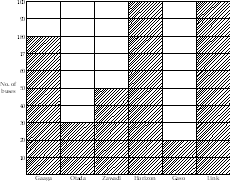
Study the graph below and answer the questions that follow in full sentences.

Bus companies- What is the graph about?
- Which company has the least number of buses?
- Which companies have the same number of buses?
- What do we call a person who collects bus fare?
- Which is the second richest company on the graph?
- Why do you think Otada has few buses?
- How many buses does Dawadi have?
- What is the total number of buses for gaga and link companies?
- What do you call people travelling by bus?
10. How many companies have been talked about on the graph?