


THIRD TERM E-LEARNING NOTE
SUBJECT: PHYSICAL & HEALTH EDUCATION CLASS: JSS3
WEEKS TOPICS
- REVISION
- TENNIS
- PRACTICAL DEMONSTRATION.
- FAMILY LIFE EDUCATION.
- EFFECTS OF INTERNAL & EXTERNAL FACTORS ON PHYSICAL EDUCATION.
- CRICKET
- REVISION.
WEEK 1
REVISION.
WEEK 2
TENNIS.
TENNIS: The game of tennis is said to have developed from handball. Hand ball originated from Ireland .tennis was formally called lawn tennis when the playing area was done on lawns only. The modern game of tennis was introduced in 1873 by Major Walter Clopton Wingfield, a British army officer. Mary Outerbridge introduced the game into United States in 1874 after watching the game. The United States lawn tennis association was formed in 1881. Tennis is both an individual and dual game and a life time sport for all sexes. The game is started with a serve from the right side of the imaginary extension. The game was introduced by missionaries in Nigeria. The Nigerian Tennis Federation was founded in 1905.




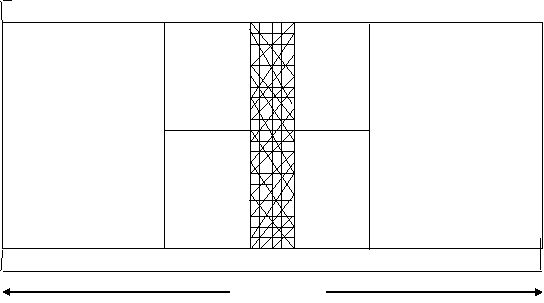

TENNIS COUTR.
SKILLS OF TENNIS.
- THE GRIP
- THE SERVICE
- THE DRIVE—-forehand & backhand
- THE SMASH
- THE VOLLEY—forehand & backhand.
- THE LOB
- THE FOOTWORK.
OFFICIALS OF TENNIS.
- THE REFEREE—He is in control of the tournament.
- THE UMPIRE—He is the official in charge of the match, He is responsible for the calling of scores.
- THE JUDGE—He assist the umpire.
- THE LINESMEN—They assist the umpire by indicating when the ball is out of play.
SCORING IN A GAME.
NO SCORE——LOVE
1ST POINT——-15
2ND POINT——-30
3RD POINT——-40
4TH POINT——-GAME
CONTROLLING BODY.
- International Tennis Federation (I.T.F) with its headquarters in London
- Confederation of African Tennis.(C.A.T)
- Nigerian Tennis Federation (N.T.F) founded in 1905.
EVALUATION QUESTION.
- Narrate the history of tennis
- List five skills of tennis
READING ASSIGNMENT.
Read pages 97—106 of Essentials of Physical and Health Education for junior secondary school 3.
WEEKEND ASSIGNMENT.
- The activities of the basket ball game are governed by? (a) Laws (b) traditional rules (c) doctrine (d) rules and regulations.
- How many players make up a team in hockey game? (a) 11 (b) 7 (c) 6 (d) 5.
- How many lanes have a standard athletic field? (a) 11-13 (b) 9-10 (c) 6-8 (d) 5-6.
- Which one of these is not a recreational activity? (a) Fishing (b) hunting (c) sleeping (d) camping.
- What is the dimension of the landing area in long jump? (a) 8m/2.75m (b) 9m/2.75m (c) 9m/2.95m (d) 9m/4.95m
THEORY.
- Narrate the history of W.A.U.G.A
- Define fainting, wound and dislocation
REFERENCE TEXT
Essentials of P.H.E for j.s.s.3 and P.H.E Handbook for j.s.s.
WEEK 3
PRACTICAL DEMONSTRATION OF TENNIS.
WEEK 4
FAMILY LIFE EDUCATION.
The family is a basic unit of society that is responsible for supporting, caring for and preparing children for adulthood. The family strongly influences a child’s personal development. The family is the primary environment in which we grow and develop. It helps us define our role in society and prepares us for fulfilling those roles.
There are two types of family ——–
- Nuclear family—-It includes husband, wife or wives and their children. It could be monogamous or polygamous.
- Extended family— It is the family that consists of an adult male (husband or father) and female (wife or mother) children, grand parents, aunt’s uncles.
GROWTH—This is a progression form simpler to more complex forms. The process of an individual organism growing organically, a biological unfolding of events.
DEVELOPMENT—This process (biological) of an individual organism growing organically, a purely biological unfolding of events.
EVALUATION QUESTION.
- Define family
- Define growth
WEEKEND ASSIGNMENT.
- Athletics can be described as ——–? (a) track and field (b) 100m and shot put (c) field and marathon (d) javelin and running.
- In swimming, a beginner shall start from? (a) Deeper end (b) diving board (c) somersaulting board (d) shallow end.
- The originator of modern gymnastics is /? (a) Jahann Morgan (b) N. smith (c) john hey (d) Fredrick johc.
- One of the following is not the aim of firstaid? (a) To save life (b) to prevent condition from getting worse. (c) to help the doctor with information (d) to blame the victim
- ——-controls the game of football during a match? (a) Field judge (b) referee (c) announcer (d) assistant referee.
THEORY.
- Define hurdle
- Define human trafficking.
WEEK 5
EFFECTS OF INTERNAL & EXTERNAL FACTORS ON PHYSICAL PERFORMANCE.
There are certain fundamentals that can influence physical performance of an athlete. These factors can be grouped into two namely—internal and external factors.
INTERNAL FACTORS——-
- FOOD—the type of food eaten and when taken before or during competition affect performance.
- AGE—Age can reduce the performance of athletes in some sports.
- BODY SIZE—Athletes with certain body size perform better in some sports than others.
- SEX—The sex of an athlete can limit his or her participation in certain sports e.g girls do not take part in triple jump and hammer throwing.
- INJURY—This can affect his or her performance during physical activities.
- EMOTION—An emotionally upset individual will certainly perform below capacity.
- MOTIVATION—-A well motivated athlete will always put in his or her best.
EXTERNAL FACTORS——–
- WEATHER CONDITION—An extreme hot or cold weather can affect the performance of an athlete e.g heat cramp, cold e.t.c.
- COSTUMES—-Good, neat and well fitting sports wears enhances performance, give aesthetic values and confidence to the performer.
- PLAY AREA—–The topography of a place can affect one’s performance e.g slippery ground.
- SPECTATORS—-The activities of fans tend to raise or reduce the morale of athletes during performance.
- OFFICIATING—-The influence of officials can boost the morale or hinder the athlete’s performance.
- EQUIPMENT—Equipment used by athletes affects their performance.
EVALUATION QUESTION.
- List five internal factors that affect physical performance.
- List five external factors that affect physical performance.
READING ASSIGNMENT.
Read pages127—128 of Essentials of Physical and Health Education for junior secondary school 3.
WEEKEND ASSIGNMENT.
- Scientists defined—-as ability to do work? (a) engine (b) power (c) energy (d) strength
- The ability to sprint over obstacles that are arranged along the track is? (a) relay (b) high jump (c) triple jump (d) hurdles
- The duration for playing the game of soccer is ? (a) 45mins (b) 50mins (c) 60mins (d) 90mins.
- Track officials in athletics include all these except? (a) Referee (b) starter (c) catcher (d) time keeper.
- The primary source of energy during physical activities is? (a) Vitamins (b) protein (c) fats and oil (d) carbohydrates.
THEORY.
- Define first aid
- List five types of energy.
REFERENCE TEXT.
Essentials of Physical and Health Education for junior secondary school 3
Physical and Health Education Handbook for junior secondary school 1, 2 & 3.
WEEK 6
CRICKETS.
The game of cricket has been played as early as in the 16th century in England but its specific origin is not known. The International Cricket Conference is responsible for the laws of the game and was founded in 1966 with its headquarters in London. The Nigerian Cricket Association was founded in 1968. The game is played between two teams of 11players aside. The winning team is the Inning side or Batting team and the other is the Fielder. A match consists of 1 or 2 Innings per team but this depends on the agreed duration of the game.
FACILITIES AND EQUIPMENT OF CRICKET.
- THE GROUND: Cricket requires a large space. The standard measurement is 182m/137m but an area of between 37m to 46m radius is quite adequate.
- THE PITCH
- THE WICKETS
- THE BALL
- THE BAT
- THE DRESS.
SKILLS OF CRICKET.
- BATTING
- BOWLING
- WICKET KEEPING
- FIELDING
- THE GRIP
- STUMPING.
OFFICIALS.
- UMPIRES—the game is controlled by two umpires who enforce the laws of the game.
- SCORERS—there is no specific number of scores but in important matches two are appointed with any assistant.
EVALUATION QUESTION.
- Narrate the history of cricket
- List five skills of cricket.
READING ASSIGNMENT.
Read pages 130—135 of Essentials of Physical and Health Education for junior secondary school.
WEEKEND ASSIGNMENT.
- One of the following field events involves jumping for height? (a) Pole vault (b) shot put (c) triple jump (d) hammer.
- In crouch start a tall athlete is recommended to use one of the following? (a) Medium (b) elongated (c) bullet (c) crouch.
- The following are field events except? (a) baton (b) discuss (c) javelin (d) hammer
- The facilities in physical education simply refer to the —–items? (a) Movable (b) immovable (c) store (d) adjustable.
- Body movement is possible due to the presence of ? (a) joint (b) blood (c) oxygen (d) carbon dioxide.
THEORY.
- Narrate the history of basketball.
- Define school health programme.
REFERENCE TEXT.
Physical and Health Education Handbook for junior secondary school 1, 2 & 3.
Essentials of Physical and Health Education for junior secondary school 3.


