

BIOLOGY O LEVEL(FORM TWO) NOTES – GASEOUS EXCHANGE AND RESPIRATION
GASEOUS EXCHANGE AND RESPIRATIONGaseous exchangeGaseous exchange is the movement of oxygen and carbon dioxide across a respiratory surface. Unicellular organisms carry out gaseous exchange by

BIOLOGY O LEVEL(FORM TWO) NOTES – NUTRITION -2
NUTRITION -2The ruminant digestive systemA ruminant is an animal that chews food, swallows it then returns it to the mouth later for further chewing. This

BIOLOGY O LEVEL(FORM THREE) NOTES – COORDINATION -1
COORDINATION -1Coordination refers to the linking together of the activities of different organs, so that they work at an appropriate time and rate required by
BIOLOGY As LEVEL(FORM FIVE) NOTES – CYTOLOGY 2 (1)
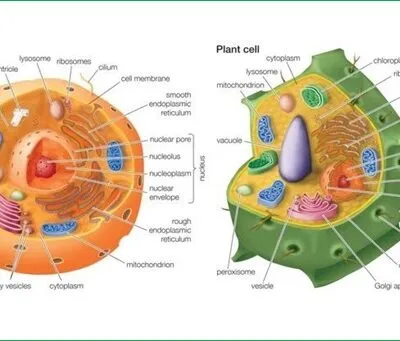
CYTOLOGY 2 BIOCHEMISTRY ORGANIC CONSTITUENT OF THE CELLS.Bio chemistry: is the study of structures, properties and functions of chemical constituents of the cells. -It is

BIOLOGY O LEVEL(FORM ONE) NOTES – INTRODUCTION TO BIOLOGY
INTRODUCTION TO BIOLOGYWhat is biology?Biology is a study of living things or organism.Living things include bacteria, fungi, animals, plants etc.Biology is derived/comes from two Greek
BIOLOGY A LEVEL(FORM SIX) NOTES – REPRODUCTION 2
Significance of MeiosisMeiosis ensures a constant chromosome number for all species that reproduce sexually. During gamete formation, the chromosome number is halved and then restored

BIOLOGY O LEVEL(FORM TWO) NOTES – CLASSIFICATION OF LIVING THINGS
KINGDOM FUNGIMember of the kingdom fungi include fairly familiar organism. Such as Mushrooms, toadstools, puff balls and bracket fungi.There are also less obvious but very

BIOLOGY O LEVEL(FORM TWO) NOTES – TRANSPORT OF MATERIALS IN LIVING THINGS.1
TRANSPORT OF MATERIALS IN LIVING THINGS.1IntroductionThe basic characteristics of all living things are nutrition, respiration, excretion, growth and development, movement, reproduction and sensitivity. In order