

AREAS AND VOLUMES


AREAS

CASE

1.Right angled triangle Area = ½ b x h
8yPjLcRNnrIANAVycih30k4X7zXyb6Cmn3V4r9LxUI1jgRj8u9ey970zIWVvACJRr736EoOpqPwp9Brbpq8IoIRwJpSSzKqHzUFAu0oTRtjoGaevqn49ZDIjQMZb3zFeWh8U9hk


2. Triangle with altitude that lies within the triangle


GpZ3xIMMFDxgKekJlGuVfod TpTkgReDBUsHKTHlgJllLvXwDPYlIKniwAV2kfdJIEyOISimRPTeHLzvITELjn2vGXWJUvNFiovR5m0 PJUHm758R3Bl939W4CaHTedDfIntA08
Area 0f Δ ABC = ½ bh + ½ d h

= ½ h(b + d)

= ½ hL


3. A triangle where the altitude of triangle lies outside of the triangle.

7FzY VS856omfVFZuEEdsheB8EErjeQYFvWqmhTyX5s3g8ilheznRwDYJpwB2Bk7EBiJe6ALCEq1VYPWFk3VEjwyl QvnxkLXSG3sU0re4q4hOXK3JOHF26TfA70LA UBTz9yB8
Area of ABC = area of triangle BCD – area of triangle ABD

= ½ h (b+d) – ½ h d

= ½ h e – ½ h d

= ½ h (e-d)

In all the triangle the formula is the same.

Thus if you were given a triangle with a base b and its corresponding height (altitude) h, its area is equal to ½ b h


CASE II
We can also use the knowledge of trigonometrical ratios.

 PbVvZ99O3NZP O2 TLFYGPtoBFX3BrOecra7GIPnkzrvF9xXry9nQaLq9PqJ4ooAOiOJlaqR3aBvcvESwMCGRNmXH3a67HIdBEbV3oZFUjUV IGUuQkDd47JcgZbj87JUJuQI8

Area of triangle ABC = ½ b h

= ½ b a sin c

Sin A = h/c

h= c sin A

the area of triangle ABC = ½ b c sin A
Example
1. The length of two sides of a triangle are 8cm and 10 cm. find he area of the triangle, if the included angle is 30 0.


Solution;

Fa X1lZ43Y948QWDuZhiozLvRL6Ravu177zPg0iOrCiMDwYydsEwf04Fr7jhYzP3Se3Rfrt4jzpKBbl8dxVjSJyVptK4ATHXYQsoVSMqac YGyqBGPPpwU29pG0xHsKnGV9JssU
Area = ½ x 10 x 8 x sin 300

= 40 x ½Cm2

=20cm2

2. The area of triangle ABC with sides a,b,c.


HU2T SkRvsyISN4WaKJQQqnsE85Q4PLpMZLYAxcvJooIvT1hg CqzVWp LXTB4a91AA7F904T YP0sH4En9EgZkPp3BfNrnO7EGAWpI7PcdKYG3ytGypIW4tWpyhnWbMP90Qrz0
Area of triangle ABC

= ½ c b sin A

= ½ a c sin B

= ½ a b sin C
Example
The base of triangle PQR is 17 cm long. If corresponding height is 20cm, find the area of the triangle.

Solution;


Area of triangle PQR = ½ b h

= ½ x 17 x 20

= 170 cm2
Qn. 9
what is the area of
the paper required to make the kite shown in the figure

MB4sUP 7joAiLEnShy0uw9L4Pj2Ctbiofjw0SitE3WZKRiHnsCwmkWHT0889 RC2eJb8OjmngnOn2TzWSpg0bzY0lXYuxxe HObglHXsGTllgI PzYqIdThirHfj5z0Ehn9Mw3o


Solution


(i) = ½ x 20 x 20 x sin 40º
= 200 x 0.6428
=128.56cm2


(ii)= ½ x 10 x 10 x sin 500
= 50 x 0.7660
= 38.3 cm2


AREA OF TRAPEZIUM

3dZ UKQeLpMGWsyyrKA QDOSs7K3ltMiJyA2t9iQIoRq2xuBVL32c IMKWfyyalZt8oY7YyclArUZ7OELGTc2fnhXl2 KWakU56CUG3lpeqYBxI8m1yu 4peQi RFGJMq89kgAQ
Area of trapezium ABCD = area of triangle ABC + area required of triangle ADC
= KlR8dZOWhO0hXSMntnGB0tFDxlS6mR0NbnJXTA2FALjUXqMnqAV8h RxCVISiyPg UmBLIkbxJwtqMNctSpKc Z96eHhdbvMWci9U NsaMzuaLfKrSd1FjY Zp7MTpYz45DFdVwL 1 h + KlR8dZOWhO0hXSMntnGB0tFDxlS6mR0NbnJXTA2FALjUXqMnqAV8h RxCVISiyPg UmBLIkbxJwtqMNctSpKc Z96eHhdbvMWci9U NsaMzuaLfKrSd1FjY Zp7MTpYz45DFdVw L2 h
= KlR8dZOWhO0hXSMntnGB0tFDxlS6mR0NbnJXTA2FALjUXqMnqAV8h RxCVISiyPg UmBLIkbxJwtqMNctSpKc Z96eHhdbvMWci9U NsaMzuaLfKrSd1FjY Zp7MTpYz45DFdVw h(L1 + L2)
Examples.
1. Calculate the height of trapezium with area 84 square units and bases 16 units and 8 units as shown

Area = ½ h ( b1+ b2)
84 = ½ h ( 16+ 8)
84 = 12 h
h = 7 units.


AREA OF PARALLELOGRAM

Kgo 1zPwzHWQSBzBAZhFETznGI YyNUwSxpdfNNB8rtt470XqfDq4VBERhYBRN1lprBTGb30R8g30VFXUK6ppyVX IgyYgFd56fze4TwUWO18gH28OUP0uh2 AePwZwlyqeklQo
Area of parallelogram ABCD = area of ΔABD + ΔBCD
= ½ A B h + ½ C D h
= ½ h ARYj6Wr TxTlk7WDj HZYqDRCig2wS DbVSRmMdt0grAxxjp6HVVizZXUZX6xVSq7LWSl3LvskP1Vkb 6Kmb34lx1Fgu1Ew8RdBxY3NDp2V44NjL2BXkjpSZrRi6wlJjYyLLg7c

= ½ h X6mGpxIDc9QlbSg3p9hByaRHkgkzp1cMWJaMn1PCOnfAJ13bn3hevquZLcEldjTJDsAUxJpZNqRukCZgtiaAf3CAlL8737uBZi93n9nRFyycYICQPaMqLgLgKtp66jEiDVi5syY

= h x OzsoHOxFKJ5YrZGnJdgtwUPcE12Pn A54uPLS6eJLAadiWR2KTMT3pjcnc O198ngDnr8NdkkqdRksqMyVrXBS4zsdQ3ZpPfHvjh2przvfR 9GwV9zQXPSxOHbdYYSdkhzCNZ84


Area of parallelogram = bh

AREA OF RHOMBUS
RDKovFf5jE 0XTi7MdW7ZOVYt JyDmJIoQX0Vp3ESNdmNb12NwTjJbP4p LEB1QBTkRS5 YLN3FUivPp0AxClUgouwlIaCqEwCpknmRFWm4zE5pwiLt0TdtUxHM2ZB6gltH1YLc
A rhombus is also a parallelogram.
Area = bh
We can also find the area of the rhombus by considering the diagonals of a rhombus.


GwHwG3i8v8KeWTbH9MrUcgRqpcAOCYHe12 ZOvJ4Z52bFsK1sqv 6Sk32ijiDXbbWK3 JivfmlJ 8ljsX ZM3iSwwRFa45zba9Y2oYtrSPJ8Uv3c8RyaTcJemFra84aM5voDtXU
AC and DB are the diagonals.
Area of triangle ABC = area of triangle ADC
Area of rhombus ABCD= 2 (area of triangle ABC)
OR = 2 ( area of triangle ADC)
MuDgGPwmTKPOtMOhmmsbREIoq0pyRJtPD2X0YlbToHZoMaBq8W X JVaFY4hkx4d6o7O9vMEI61wqYNbNAxiUG56Sm2TQFTin9KicGZQwfcUkbFqHoarTEeTtQVdt BGfqPDEMk
EXERCISE
1. 1. Calculate the area of a rhombus whose diagonals are 12dm and 10 dm.


ecolebooks.com
2. 2. Calculate the area of the trapezium ABCD shown in the figure below
 4fLuBMnEvadTmCbIfIPPLp2VGcnh3fpkWLaC4G4eojsDNC9h4Sb AJQlcLgTyyTus5 Tiz3c6qJxd3xq6PO8jmOMnzB D 7idxHgzNPt3NZ6PH8lHUW0DB9lxemxb Z50cR9N4

F6BPbE2bs2yrKQqWM 2jnyPopUrhg6MsjeydKGefM86UdccKfdjfw92jhMeSdU2yAmAYu013uw7vM1mrvpfeH81UmwDoeG66vgYbslz3X3GjLe82lqM7bkq42v8r3rzQMZYVlqY

3. ABCD is a parallelogram with A= 10cm, BAD = 600. Calculate the area of the parallelogram.
1RtL5oAk1CMTWUQ0GyMuwVg86sh922ceQbJ2oImfrfAyF1qsu3xVx248ErOcuHNhKMENQ1xThukr1sQaPH80I Ksp7HcX0uaqJPe9KOe2LFo8Dxb31VnWLnCg5pS6THbq6Ggmg8

Xi6t5oLhZloIBCIfhWhpTCqKA DnOxzak5 DfgEKsEsHi6GhqvDS3mp6tO45QexiB4OvreDqngsUtNhlJ Y5rlVPECXigUIacl317OON HxST2oLlaX Tk3c NGDPQCr6H6tcvc

4. 4. Find the area of trapezium ABCD shown in the figure below;
HHeLKLW85oE3S13gKPzsLUIyl2KQorCGNuEk 23G3VFDcOgvN5TvqceZGyG2tYNuogRC41MnNAdcUq4ycLvxxVgUKGLtPhyJtlWgv0sEZQ3V4qjBCPyxvtc 7ixFI3DL9EtSwOI
Sin 360 = h/ s

Solution4:

h = 0.5878x 5 cm

h= 2.939 cm

area = ½ x 2.939 (7+5)

= ½ x 2.939(12)

= 17.634cm2

AREA OF A RECTANGLE


W 9phnUeN QKlV QBI9e2zeCDdXfXFoPRCbGFWGzYdDIukGqDIlDy5tB1PPSkvP0LXhR9MT Y0Iwk95 27039q83rtS1kjmRV4zQotT9XGLDk2WxaTY2jd3Cze0l5ML0xOUCsog
Pkfs1yS5P1Az2MlKrBYAZhAfaxjVzZOStaYwevYSUy7hml7S7ubKiwwqDYuMxYQof1CVR3vxUgEttT9OzN7yFq2yKyAlrgNdeig5x4ikuqj48JtIiv1CCJ2DBL8zd6B8f85PLpU

AREA OF SQUARE

4qih39uS KhTbVVZCKbZNYXI1CIsTNphVwfAj7t9oeJN GEXO7L EWyp1vyIEtjlQPP7nbip6pXD7FkvAyi9ntLoScyIQAn4KNbQ7TJ By0GkSWipUhCf9jiEBivpEHTX80Nf8
A square is a rectangle with equal sides.
Area of triangle ABC = area of triangle ADC
YDoWV66TpR7apKQ HjftduO8uxX21u8rqkvYGWEEpDgNKBizV P9OsBHxTSLhDj0ILKbp5n3GDfuiYrNEM76m4YktFIyLxSlGuaAr5FoVnJ1HLl V5sAqCsvT6YC5ztmv WUVbU


Also we can find the area of a square by considering the diagonals.

Ilg7vV48xDLXg7PTobJLoOfk1hg0QoGjLJnXVA7jvak398RSoqjgQXc SmlIdLgvzJdfS62cqKEKiOO5RT3TN9FZHfpQX3BRIQmkBB1FRBW5PN8JC1 4jfanRNBMnwk IxXrX0
ΔABC = ΔADC
Area of triangle ABC = Area of triangle ADC
AJtzbi42jiPwG7Gc88XYrWnPKTbQSFIYVtlO61wdoISrRsMuq Qux 2adkyQF9QtE70RKmv2ALdlWF4ZknDaQj7Yjg09SzJZGUcSgIJKRD2Rwx1VvDpAVU F6 CGq50kGwS7avg
Example
1. Find the area of square in which diagonals have length of 12.5cm2

Solution
Area = ½ (length of diagonals)2
= ½ (12.5) 2
= 78.125cm 2

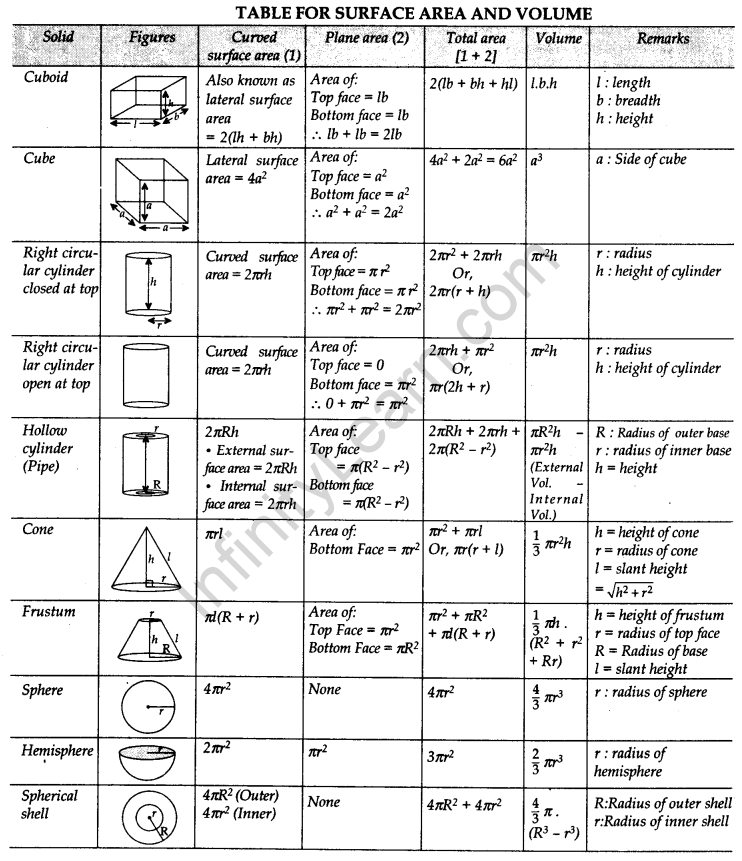
TOTAL SURFACE AREA OF A RIGHT CIRCULAR CONE
Right circular cone Is the one whose vertex is vertically above the center of the base of the cone.


DvWPbawNWbz0xTUQLC GsjPh2iiYG4bmZIjQ34Jq1mtn6qCi5qJaaog5CQYVmleS2yEtVTMqvxKOQl3bfUrZ9ntcbAXPjIn5fZGd9GaE1SP 43XzYrxCRbM7rthqdNu8psGi3Dg
Total surface area of a cone = area of curved surface + base area.


BUT;
area of curved surface ( lateral surface ) = area of small triangles.
If we consider our cone , AB, BC , CD and DC are approximated line segments, hence we have small triangles VAB,VBC , VCD and VDE.
Hence area of
curved surface
= ½ AB x VA + ½ BC x VC + ½ CD x VC + ½ DEx VD
But VA= VB = VC = VD = VE
Area of curved surface = ½ AxBxL+ ½ BxCxL+ ½ xCx DxL+ ½ DxExL
= ½ L (AB+BC+CD+DE)
= ½ L (2πR)
= πRL
Total surface area = πR2+ πRL
= πR(R+L)

TOTAL SURFACE AREA OF A RIGHT CYLINDER

LxY9kDzsXzJLcisw 2cbFpMcYYIsuXgHAQSmpOuSuD4j07o5INVL10knCD0gEuljXGiSkRPIFQxKGMf1msY7z 5NyXA0qSBYvl0hNlHlWFVcujBeKKCe5 JnSDG G4HW0Hhxudw
Total surface area of a right cylinder
= area of curved surface+ bases area.
= 2πRh + πR2


TOTAL SURFACE AREA OF A RIGHT PYRAMID
A right pyramid is the one which the slant edges joining the vertex to the corner of the base are equal.
CUeGpxDKtV8t7zFl B DH25515YeU0D8Mvp8S6mym6JEOexkAjjuZF 0psVZgIhGsLLdNcjBnJSjtoYvMzCJcO635z9bIViR3I4CBx2r7EXJBzqvNgBm E0lDxJ 9SzJU4bH8g


Total surface area of a right pyramid
=area of triangle VAB+ VBC+VDC+VDA + area of the base.
= lateral surface + area of the base.
BUT
As VAB, VDC, VBC and VDA are isosceles triangles. Then VA,VB,VC and VD are slant height.
Example
Consider the data below of a right pyramid. Find the total surface area of the pyramid.
Total surface area of a pyramid
= area of laterals + base area
=area of ΔVAB+ ΔVBC+ ΔVDC+ ΔVDA+ base area


Wig5x7kHPOIc2rYvjM6HxtIVQhwY7TP1Co934 CtTDiPen8Ii3T3IBNMhjzVd2xKlyBLS5cp1XdvELG 2uYMUXAuB8fI TL0ZSeynKXwqiMjM J0fm RbXmRpUfqvMjTgnSlRVU


EXERCISE
1. The radius of a base of right circular cylinder is 7dm and height is 10 dm. find;
(a). The total surface area.


Solution:

Vc5siKUB6Z3EYfQFnsakJka7yhz1HQOKqCY4QdNHVVWtj3bJyezG65360YkTXIi5wv27 XgErY16tMpj DjLwh EOMJ9G2Q2CPUCi39JvkX0pTcgbTJ6070VyBUtV9rlAcGkWp8
The total surface area = 2πR (h+r)
= 2 x 3.14 x 7 dm (10+7)
= 74.732 dm2
2. Calculate the lateral surface area of the right cone shown below.

4mtfbd5lHwNp8OjpvKJyndysmcD54rMP WuV5JToOReC5pvlF0lfZO4pymCMEfBvB6UVL9dRsS3yh T63iOtdFkEyojI31oDW0tgAFYiJgLmUmwb1JTyatRrV2TNiLeJVB EXDA
= πr(r+L)
= 3.14×3.5x(3.5+1.6)
= 3.14×3.5×19.5
= 214.305cm2


THE TOTAL SURFACE AREA OF A RIGHT PRISM

A right prism is a prism in which each of the vertical edges is perpendicular to the plane of the base. an example of right prism is shown in the figure below where EABF, FBSG, HDCG and EADH are faces made up the lateral surface. and ABCD and EFGH are bases.


S KD2zGcIuRWVHsuh6PG5FQdx3naaEir9SEp RDrOGZBiWSEJyeBLtmmZ KcbloGBQl BOsk Zr8GRdobTXmD IY1krPK8CwgraerAvbFJ TLqX0IkdzsdsnfwAQldaHpm3WTyg
A right prism is a prism in which each of the vertical edges is perpendicular to the plane of the base. an example of right prism is shown in the figure below where EABF, FBSG, HDCG and EADH are faces made up the lateral surface. and EFGH are bases.
The total surface area of a prism ABCDEFG
= Area of lateral surface + base area
O5 HzKnVhhdopgAt7ordveEy8lGpUoGRCQaNpOfHkYpeqlaiaeMa55P8x36cjDgh93yhXNMDBRoVqgFeA8qkd2YFUDsmdc5cMAymuCJXG7AMROojGaC MO44snTtGX9qh2Ba7F4
BZm3u1pd4sZHQlTsZHZn809qtmAKyIFeOIkZQm CCfS4mpt2r XjqSXfduM Dl 3GaAbFwf7CeVK3L5cUrYlP9ftyBr01ZLT0JVPgjPTf09opNzhccStt3lqoM3tJvwE XTuEd8
Example

Find the total surface area of a rectangular prism 12cm long,8 cm wide, and 5 cm high.
9dWeXuEaZ4rDzgW22SHhMJogmhPJvfw0APzuXlXPVhFgP9MLmZx3mPfLU7QnzyPR YxGwZztTFKayBY4r4dzGGfRKZHdZyK7u7BFprFKKiqWbrnIpE4caTnos 7e6 Wpbc401Y8

soln
Surface Area = BF(ABxBC)2
=5( 12 x8) 2
= 5cm x 192cm
=960 cm2

Base area = 12×8 x2
= 192 cm2 . : Total surface area = 240 cm2 +192 cm2 = 432 cm2


Exercise
1. The altitude of a rectangular prism is 4cm and the width and length of its base are 12cm and 3 cm respectively. Calculate the total surface area of the prism.

2. One side of a cube is 4dm. calculate
a. The lateral surface area.
b. Total surface area.

3. Figure below shows a right triangular prism whose base is a right angles triangle. Calculate its total surface area.
Lfdkma 3a1CEa0oMx9rHBJ8yvEUqEQXj 3aWeuhQqN W17BIKQ8 AcV6uF5B366rfA67u6pUIouYhJvuuLTUAu0wVHNQKPTcSroSnSMUja7zwG6FQ6dCtP6eawAZSywVeWmsLzo
4. The altitude of a square pyramid is 5units long and a side of the base is 5 units long. Find the area of a horizontal cross-section at distance 2 units above the base.

Solution

Jk68XO OpIjk1yj7Idzkx2yn0KFZpvHUVVp0eQxRfIvaPxPC6dw LHAVL8B6omsZKShLmv YLP9hmMoGmfAWTbfIM0MdNKDo1XJ1z88x1u7 0DA8dkx8N IUo4F9rajKfVG460


Answers

Solution1(a)

= 4(2+3) 2 +2(2×3)
= 4×10 + 12

= 40 + 12

= 53cm2


Solution2.
(a) Lateral area = 2 (4+4+4+4)

=2x 16

=32dm2

(b)Total surface area = 32 + 2(4+4)

= 48 dm2


Solution3.


=(AB2) + (BC2) = ( AC2)

=62 + 82 = AC2

AC=10

= 8x10cm2= 80 cm2


Area of triangle = ½ b h

= ½ x 6 x 8 x 2

= 48cm2


Area of rectangle b = 10cmx10cm

=100cm2

Total surface area = 100cm2 + 48 cm2+ 80cm2


=228cm2


Solution4.
a2+b2=c2

2.52+ b2= 52